
 Français
 English
 Español
 Italiano
Shopping Cart
 Jelly Belly
 Sour Patch Kids
 Jolly Rancher
 Warheads
 Skittles
 Reese's
 Hershey's
 M&M's
 Kit Kat
 Oreo
 Fanta
 Dr Pepper
 Monster Energy
 Mountain Dew
 Gatorade
 Takis
 Doritos
 Cheetos
 Pringles
 Lay's
 Lucky Charms
 General Mills
 Cap'n Crunch
 Pop-Tarts
 Kellogg's
On the night of October 31, entire streets across the United States are transformed. Glowing pumpkins on every step, spider webs hanging from the windows, skeletons in the yards, and hundreds of kids in costumes running from house to house, bucket in hand. Over there, Halloween isn't a small holiday. It's an event everyone looks forward to.
Where does Halloween come from?
Halloween wasn't born in America, but in Ireland and Scotland, more than 2,000 years ago. The Celts celebrated Samhain, the end of the harvest and the start of winter. They believed that on that night, the line between the world of the living and the world of the dead grew very thin. People lit big bonfires and wore disguises to fool the spirits.
Later, the Church set All Saints' Day (All Hallows' Day) on November 1. The night before became All Hallows' Eve… which turned into "Halloween."
Irish immigrants brought the holiday to the United States in the 19th century, when hundreds of thousands of them fled the Great Famine. And it was there that Halloween became the holiday we know today.
Did you know? In Ireland, people didn't carve pumpkins, but turnips and beets. When they arrived in America, immigrants discovered the pumpkin: bigger and much easier to carve. The jack-o'-lantern was born.
The jack-o'-lantern, star of the show
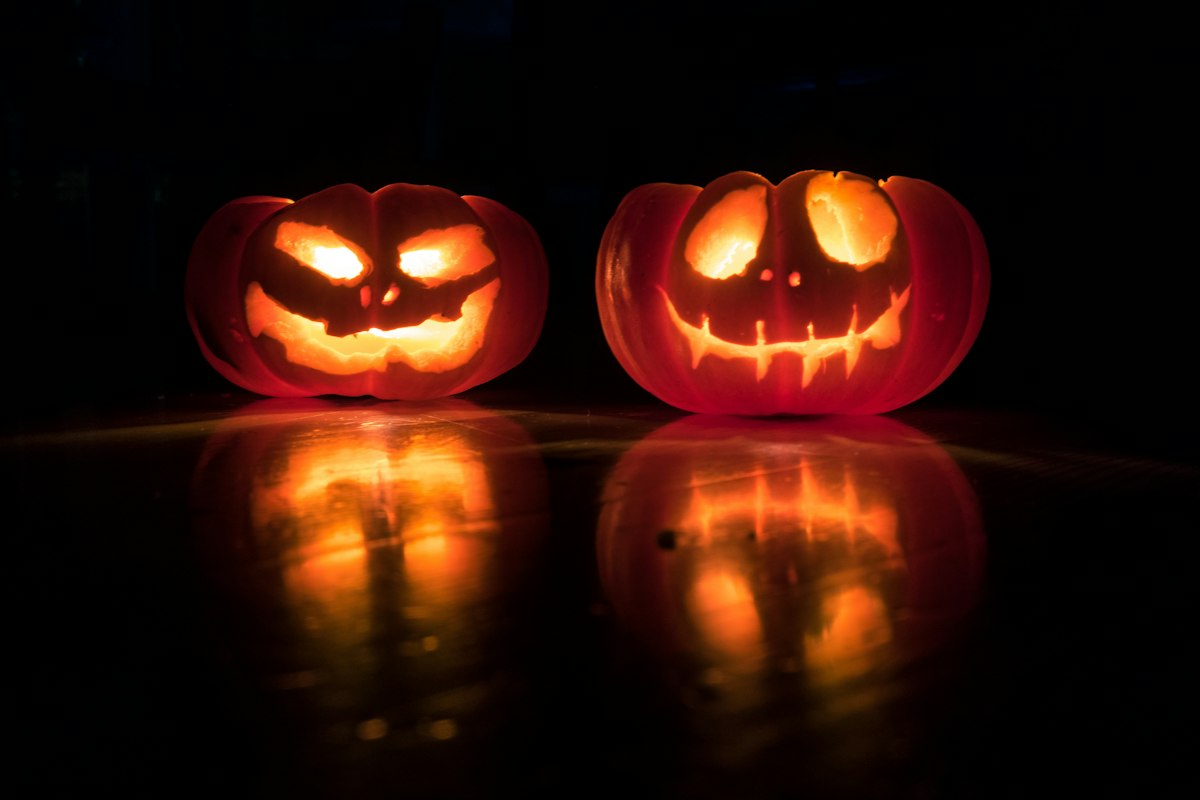
The name comes from an old Irish legend about Stingy Jack, a man so cunning he supposedly tricked the devil. When he died, he was turned away from both heaven and hell, and was doomed to wander the night with only a burning coal inside a hollowed-out turnip to light his way.
Today, carving pumpkins is a real family ritual in the US. In early October, you pick yours at a pumpkin patch, then you scoop it out, give it a face, and set it by the front door with a candle inside.
Trick or treat: the great candy hunt
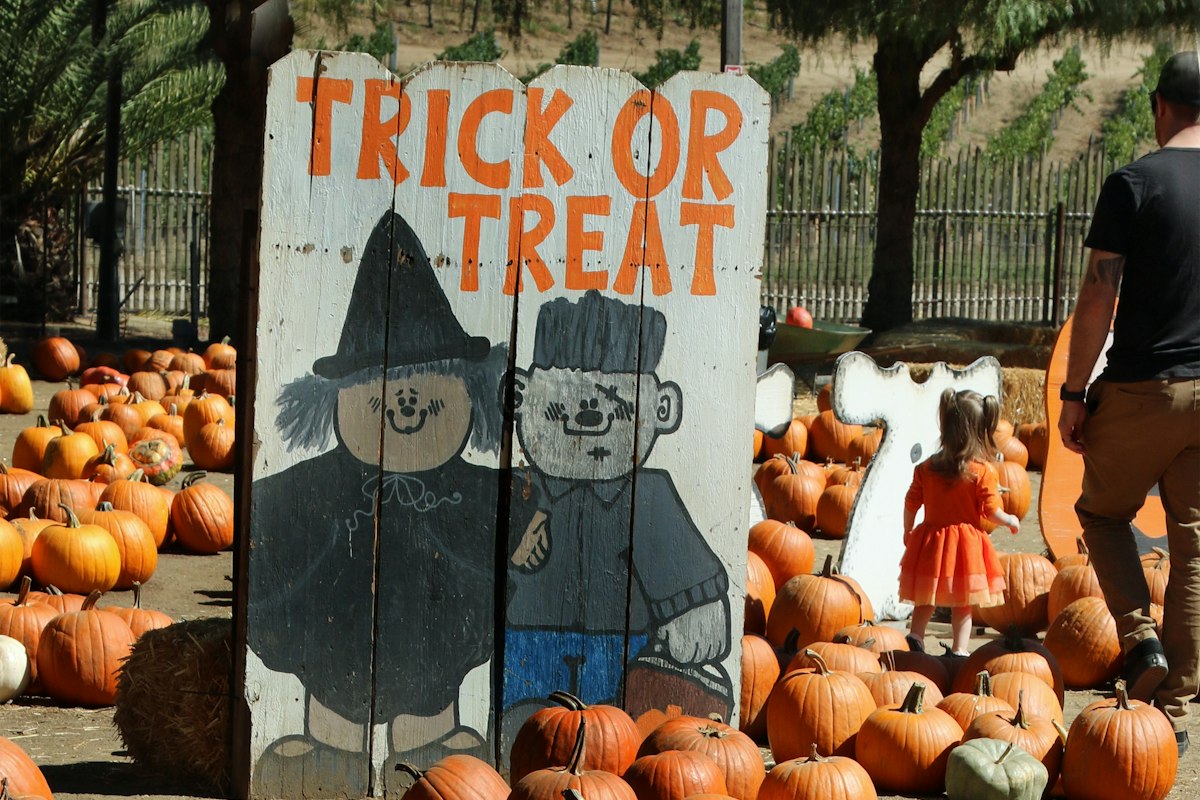
This is THE moment kids wait for all year. As soon as it gets dark, they ring doorbells with the magic words: "Trick or treat!" Neighbors have a big bowl of candy ready, and pumpkin-shaped buckets fill up street after street.
There are a few unwritten rules:
- A porch light on or a lit pumpkin by the door means "come on up."
- Lights off means keep walking.
- Take just one handful, even when the bowl is self-serve.
And back home after the rounds comes the best part: dumping the bucket on the floor, sorting everything and trading with your brothers and sisters.
Americans' favorite Halloween candy
Halloween is the biggest candy season of the year in the US. The same stars always end up in the buckets:
- Reese's, especially the pumpkin-shaped version, which plenty of Americans think is even better than the original.
- Candy corn, the little kernel-shaped candies in white, orange and yellow. Invented in the 1880s, they split America in two: you either love them or hate them.
- Mini bars: Snickers, Kit Kat, M&M's, Twix… in "fun size," perfect for handing out.
- Peeps, the marshmallows shaped like ghosts, pumpkins or monsters.
Not just for kids
In the US, adults get into it just as much as kids do:
- Costumes at the office and costume parties with friends.
- Houses decorated like movie sets, some with giant 10-foot skeletons in the yard.
- Haunted houses, where you pay to get scared.
- Horror movie marathons on TV all through October.
A little tip from the MyAM family: no neighbors to go trick-or-treating with? Set up a candy hunt in your house or yard. Hide candy in every room, turn off the lights, give each kid a flashlight… and let them shout "Trick or treat!" at every door.
Candy, Peeps, special-edition sodas: everything you need for your party is in our Halloween selection.
Happy Halloween!